- -€1.50
- - €1.50
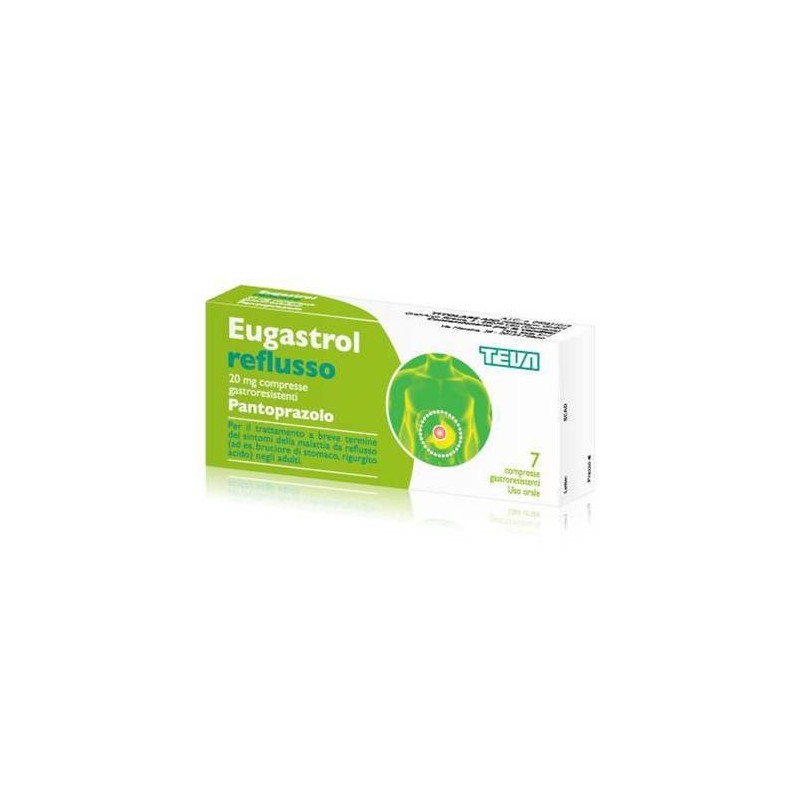
Eugastrol Reflux 14 Tablets 20 Mg
€6.40
€4.90
Risparmio €1.50
Tax included
Brand
Minsan
040231021
Hurry up! Only
10
item(s) left in Stock!
WARNINGS
Patients should be advised to inform their physician if: they have unintended weight loss, anemia, gastrointestinal bleeding, dysphagia, persistent vomiting or bloody vomiting, as treatment with pantoprazole may relieve symptoms and delay serial diagnosis. conditions. In these cases it is necessary to exclude the presence of a malignant pathology. They have previously suffered from gastric ulcer or have undergone gastrointestinal surgery. I have been on continuous symptomatic treatment for indigestion or heartburn for 4 or more weeks. They suffer from jaundice, impaired liver function or liver disease. They suffer from any other serious pathology with repercussions on general well-being. They are over 55 years of age and have new symptoms or recent changes in pre-existing symptoms. Patients with chronic relapsing symptoms of indigestion or heartburn should see their doctor at regular intervals. In particular, patients over the age of 55 who take daily non-prescription remedies for indigestion or heartburn should inform their pharmacist or doctor. Patients should not take pantoprazole and another proton pump inhibitor or H2 receptor antagonist at the same time. Patients should consult their doctor before taking this medicine if they are to undergo an endoscopy or breath test for urea. Patients should be advised that the tablets are not intended to provide immediate relief of symptoms. Symptomatic relief may begin to be felt after approximately one day of treatment with pantoprazole, but may need to be taken for 7 days to achieve complete control of heartburn. Patients should not take pantoprazole as a preventive medicine. Decreased gastric acidity following any treatment - including proton pump inhibitors - increases the bacterial load normally present in the gastrointestinal tract. Therefore, treatment with acid-reducing drugs may slightly increase the risk of gastrointestinal infections such as those caused by Salmonella, Campylobacter, or C. difficile. Subacute cutaneous lupus erythematosus (SCLE): Proton pump inhibitors are associated with extremely infrequent cases of SCLE. In the presence of lesions, especially on the skin parts exposed to sunlight, and if accompanied by arthralgia, the patient must immediately contact the doctor and the healthcare professional must evaluate the opportunity to stop treatment with the drug. SCLE following treatment with a proton pump inhibitor may 'increase the risk of SCLE with other proton pump inhibitors. This medicine contains maltitol.
PHARMACOTHERAPEUTIC CATEGORY
Anti-ulcer peptic and gastroesophageal reflux disease (GORD).
STORAGE
This medicinal product does not require any special storage conditions.
CONTRAINDICATIONS / SECONDARY EFFECT
Hypersensitivity to the active ingredient, to substituted benzimidazoles in soy, to peanuts or to any of the listed excipients; concomitant administration of atazanavir.
NAME
EUGASTROL REFLUX 20 MG GASTRORESISTANT TABLETS
EXCIPIENTS
Tablet core: maltitol (E 965); crospovidone type B; carmellose sodium; anhydrous sodium carbonate (E 500); calcium stearate. Tablet coating: polyvinyl alcohol; talc (E 553b); titanium dioxide (E 171); macrogol 3350; soy lecithin (E 322); yellow iron oxide (E 172); anhydrous sodium carbonate (E 500); methacrylic acid-ethyl acrylate copolymer (1: 1); polysorbate 80; sodium lauryl sulfate; triethyl citrate (E 1505).
SIDE EFFECTS
Approximately 5% of patients may experience adverse drug reactions (ADRs). The most commonly reported ADRs are diarrhea and headache, which occur in approximately 1% of patients. The following side effects have been reported with pantoprazole. Undesirable effects are listed below according to the following frequency classification: very common (> = 1/10); common (> = 1/100, <1/10); uncommon (> = 1 / 1,000, <1/100); rare (> = 1 / 10,000, <1 / 1,000); very rare (<1 / 10,000), not known. >> Undesirable effects with pantoprazole in clinical studies and in post-marketing experience. Disorders of the blood and lymphatic system. Rare: agranulocytosis; very rare: thrombocytopenia; leukopenia; pancytopenia. Nervous system disorders. Uncommon: headache; dizziness; rare: taste disorders; not known: paraesthesia. Eye disorders. Rare: vision disturbances / blurred vision. Gastrointestinal disorders. Uncommon: diarrhea; nausea / vomiting; abdominal distension and swelling; constipation; dry mouth; abdominal pain and discomfort. Renal and urinary disorders. Not known: interstitial nephritis (with possible progression to renal failure). Skin and subcutaneous tissue disorders. Uncommon: rash / exanthema / eruption; itching; rare: hives; angioedema; not known: Steven-Johnson syndrome; Lyell's syndrome; erythema multiforme; photosensitivity, subacute cutaneous lupus erythematosus. Musculoskeletal and connective tissue disorders. Rare: arthralgia; myalgia; not known: muscle spasm as a result of electrolyte disturbances. Metabolism and nutrition disorders. Rare: hyperlipidaemia and increased lipid levels (triglycerides, cholesterol); weight changes; not known: hyponatremia; hypomagnesaemia, hypocalcaemia in association with hypomagnesaemia, hypokalaemia. General disorders and administration site conditions. Uncommon: asthenia, fatigue and malaise; rare: increase in body temperature; peripheral edema. Disorders of the immune system. Rare: hypersensitivity '(including anaphylactic reactions and anaphylactic shock). Hepatobiliary disorders. Uncommon: increased level of liver enzymes (transaminases, gamma-GT); rare: increased bilirubin level; not known: hepatocellular injury; jaundice; hepatocellular insufficiency. Psychiatric disorders. Uncommon: sleep disturbances; rare: depression (and all stages of exacerbation); very rare: disorientation (and all stages of exacerbation); not known: hallucinations; confusion (especially in predisposed patients, and worsening of these symptoms if pre-existing). Reproductive system and breast disorders. Rare: gynecomastia. Soy lecithin can very rarely cause allergic reactions. The reporting of suspected adverse reactions that occur after the authorization of the drug is important, as it allows continuous monitoring of the benefit / risk ratio of the drug.
PREGNANCY AND BREASTFEEDING
There are no adequate data from the use of pantoprazole in pregnant women. Studies in animals have shown reproductive toxicity. Preclinical studies reveal no signs of impaired fertility or teratogenic effects. The potential risk for humans is unknown. This medicine should not be used during pregnancy. It is not known whether pantoprazole is excreted in human breast milk. Studies in animals have shown excretion of pantoprazole in breast milk. This medicine should not be used during breastfeeding.
INDICATIONS
Short-term treatment of reflux disease symptoms (e.g. heartburn, acid regurgitation) in adults.
INTERACTIONS
The medicine can reduce the absorption of active ingredients whose bioavailability is dependent on gastric pH (eg ketoconazole). Co-administration of atazanavir 300 mg / ritonavir 100 mg with omeprazole (40 mg once daily) or atazanavir 400 mg with lansoprazole (60 mg single dose) has been shown to cause a substantial reduction in bioavailability in healthy volunteers. of atazanavir. Absorption of atazanavir is pH-dependent. Therefore, pantoprazole should not be co-administered with atazanavir. Pantoprazole is metabolised in the liver via the cytochrome P450 enzyme system. An interaction of pantoprazole with other compounds metabolised through the same enzyme system cannot be excluded. However, no clinically significant interactions were observed in specific tests with carbamazepine, caffeine, diazepam, diclofenac, digoxin, ethanol, glibenclamide, metoprolol, naproxen, nifedipine, phenytoin, piroxicam, theophylline and an oral contraceptive containing levonorgestrel and ethinyl estradi. Although no interaction was observed during concomitant administration of pantoprazole and phenprocoumon or warfarin in pharmacokinetic studies, isolated cases of changes in the International Normalized Ratio (INR) value have been reported post-marketing during concomitant treatment with these substances. . Therefore, in patients treated with coumarin-type anticoagulants (e.g. phenprocoumon or warfarin), it is recommended that prothrombin time / INR checks be performed after initiation or discontinuation of pantoprazole therapy and in the event of its irregular use. Increased methotrexate levels have been reported in some patients with concomitant use of high dose methotrexate (e.g. 300 mg) and proton pump inhibitors. Therefore, in settings where high dose methotrexate is used, for example, cancer and psoriasis, Temporary discontinuation of pantoprazole may need to be considered. There was no evidence of interactions with concomitantly administered antacids.
DOSAGE
The recommended dose is 20 mg of pantoprazole (one tablet) per day. It may be necessary to take the tablets for 2-3 consecutive days to improve symptoms. Once complete remission of symptoms is achieved, treatment should be discontinued. The duration of treatment should not exceed 4 weeks without prior medical consultation. If symptom relief is not achieved within 2 weeks of continued treatment, the patient should be advised to notify the physician. Special populations: No dosage adjustment is required in elderly patients or in patients with impaired renal or hepatic function. Pediatric population: the use of the medicinal product is not recommended in children and adolescents under 18 years of age due to insufficient data on safety and efficacy. Method of administration: The tablets should not be chewed or crushed, but they should be swallowed whole with liquid before a meal.
ACTIVE PRINCIPLES
Pantoprazole (as sodium sesquihydrate).

Patients should be advised to inform their physician if: they have unintended weight loss, anemia, gastrointestinal bleeding, dysphagia, persistent vomiting or bloody vomiting, as treatment with pantoprazole may relieve symptoms and delay serial diagnosis. conditions. In these cases it is necessary to exclude the presence of a malignant pathology. They have previously suffered from gastric ulcer or have undergone gastrointestinal surgery. I have been on continuous symptomatic treatment for indigestion or heartburn for 4 or more weeks. They suffer from jaundice, impaired liver function or liver disease. They suffer from any other serious pathology with repercussions on general well-being. They are over 55 years of age and have new symptoms or recent changes in pre-existing symptoms. Patients with chronic relapsing symptoms of indigestion or heartburn should see their doctor at regular intervals. In particular, patients over the age of 55 who take daily non-prescription remedies for indigestion or heartburn should inform their pharmacist or doctor. Patients should not take pantoprazole and another proton pump inhibitor or H2 receptor antagonist at the same time. Patients should consult their doctor before taking this medicine if they are to undergo an endoscopy or breath test for urea. Patients should be advised that the tablets are not intended to provide immediate relief of symptoms. Symptomatic relief may begin to be felt after approximately one day of treatment with pantoprazole, but may need to be taken for 7 days to achieve complete control of heartburn. Patients should not take pantoprazole as a preventive medicine. Decreased gastric acidity following any treatment - including proton pump inhibitors - increases the bacterial load normally present in the gastrointestinal tract. Therefore, treatment with acid-reducing drugs may slightly increase the risk of gastrointestinal infections such as those caused by Salmonella, Campylobacter, or C. difficile. Subacute cutaneous lupus erythematosus (SCLE): Proton pump inhibitors are associated with extremely infrequent cases of SCLE. In the presence of lesions, especially on the skin parts exposed to sunlight, and if accompanied by arthralgia, the patient must immediately contact the doctor and the healthcare professional must evaluate the opportunity to stop treatment with the drug. SCLE following treatment with a proton pump inhibitor may 'increase the risk of SCLE with other proton pump inhibitors. This medicine contains maltitol.
PHARMACOTHERAPEUTIC CATEGORY
Anti-ulcer peptic and gastroesophageal reflux disease (GORD).
STORAGE
This medicinal product does not require any special storage conditions.
CONTRAINDICATIONS / SECONDARY EFFECT
Hypersensitivity to the active ingredient, to substituted benzimidazoles in soy, to peanuts or to any of the listed excipients; concomitant administration of atazanavir.
NAME
EUGASTROL REFLUX 20 MG GASTRORESISTANT TABLETS
EXCIPIENTS
Tablet core: maltitol (E 965); crospovidone type B; carmellose sodium; anhydrous sodium carbonate (E 500); calcium stearate. Tablet coating: polyvinyl alcohol; talc (E 553b); titanium dioxide (E 171); macrogol 3350; soy lecithin (E 322); yellow iron oxide (E 172); anhydrous sodium carbonate (E 500); methacrylic acid-ethyl acrylate copolymer (1: 1); polysorbate 80; sodium lauryl sulfate; triethyl citrate (E 1505).
SIDE EFFECTS
Approximately 5% of patients may experience adverse drug reactions (ADRs). The most commonly reported ADRs are diarrhea and headache, which occur in approximately 1% of patients. The following side effects have been reported with pantoprazole. Undesirable effects are listed below according to the following frequency classification: very common (> = 1/10); common (> = 1/100, <1/10); uncommon (> = 1 / 1,000, <1/100); rare (> = 1 / 10,000, <1 / 1,000); very rare (<1 / 10,000), not known. >> Undesirable effects with pantoprazole in clinical studies and in post-marketing experience. Disorders of the blood and lymphatic system. Rare: agranulocytosis; very rare: thrombocytopenia; leukopenia; pancytopenia. Nervous system disorders. Uncommon: headache; dizziness; rare: taste disorders; not known: paraesthesia. Eye disorders. Rare: vision disturbances / blurred vision. Gastrointestinal disorders. Uncommon: diarrhea; nausea / vomiting; abdominal distension and swelling; constipation; dry mouth; abdominal pain and discomfort. Renal and urinary disorders. Not known: interstitial nephritis (with possible progression to renal failure). Skin and subcutaneous tissue disorders. Uncommon: rash / exanthema / eruption; itching; rare: hives; angioedema; not known: Steven-Johnson syndrome; Lyell's syndrome; erythema multiforme; photosensitivity, subacute cutaneous lupus erythematosus. Musculoskeletal and connective tissue disorders. Rare: arthralgia; myalgia; not known: muscle spasm as a result of electrolyte disturbances. Metabolism and nutrition disorders. Rare: hyperlipidaemia and increased lipid levels (triglycerides, cholesterol); weight changes; not known: hyponatremia; hypomagnesaemia, hypocalcaemia in association with hypomagnesaemia, hypokalaemia. General disorders and administration site conditions. Uncommon: asthenia, fatigue and malaise; rare: increase in body temperature; peripheral edema. Disorders of the immune system. Rare: hypersensitivity '(including anaphylactic reactions and anaphylactic shock). Hepatobiliary disorders. Uncommon: increased level of liver enzymes (transaminases, gamma-GT); rare: increased bilirubin level; not known: hepatocellular injury; jaundice; hepatocellular insufficiency. Psychiatric disorders. Uncommon: sleep disturbances; rare: depression (and all stages of exacerbation); very rare: disorientation (and all stages of exacerbation); not known: hallucinations; confusion (especially in predisposed patients, and worsening of these symptoms if pre-existing). Reproductive system and breast disorders. Rare: gynecomastia. Soy lecithin can very rarely cause allergic reactions. The reporting of suspected adverse reactions that occur after the authorization of the drug is important, as it allows continuous monitoring of the benefit / risk ratio of the drug.
PREGNANCY AND BREASTFEEDING
There are no adequate data from the use of pantoprazole in pregnant women. Studies in animals have shown reproductive toxicity. Preclinical studies reveal no signs of impaired fertility or teratogenic effects. The potential risk for humans is unknown. This medicine should not be used during pregnancy. It is not known whether pantoprazole is excreted in human breast milk. Studies in animals have shown excretion of pantoprazole in breast milk. This medicine should not be used during breastfeeding.
INDICATIONS
Short-term treatment of reflux disease symptoms (e.g. heartburn, acid regurgitation) in adults.
INTERACTIONS
The medicine can reduce the absorption of active ingredients whose bioavailability is dependent on gastric pH (eg ketoconazole). Co-administration of atazanavir 300 mg / ritonavir 100 mg with omeprazole (40 mg once daily) or atazanavir 400 mg with lansoprazole (60 mg single dose) has been shown to cause a substantial reduction in bioavailability in healthy volunteers. of atazanavir. Absorption of atazanavir is pH-dependent. Therefore, pantoprazole should not be co-administered with atazanavir. Pantoprazole is metabolised in the liver via the cytochrome P450 enzyme system. An interaction of pantoprazole with other compounds metabolised through the same enzyme system cannot be excluded. However, no clinically significant interactions were observed in specific tests with carbamazepine, caffeine, diazepam, diclofenac, digoxin, ethanol, glibenclamide, metoprolol, naproxen, nifedipine, phenytoin, piroxicam, theophylline and an oral contraceptive containing levonorgestrel and ethinyl estradi. Although no interaction was observed during concomitant administration of pantoprazole and phenprocoumon or warfarin in pharmacokinetic studies, isolated cases of changes in the International Normalized Ratio (INR) value have been reported post-marketing during concomitant treatment with these substances. . Therefore, in patients treated with coumarin-type anticoagulants (e.g. phenprocoumon or warfarin), it is recommended that prothrombin time / INR checks be performed after initiation or discontinuation of pantoprazole therapy and in the event of its irregular use. Increased methotrexate levels have been reported in some patients with concomitant use of high dose methotrexate (e.g. 300 mg) and proton pump inhibitors. Therefore, in settings where high dose methotrexate is used, for example, cancer and psoriasis, Temporary discontinuation of pantoprazole may need to be considered. There was no evidence of interactions with concomitantly administered antacids.
DOSAGE
The recommended dose is 20 mg of pantoprazole (one tablet) per day. It may be necessary to take the tablets for 2-3 consecutive days to improve symptoms. Once complete remission of symptoms is achieved, treatment should be discontinued. The duration of treatment should not exceed 4 weeks without prior medical consultation. If symptom relief is not achieved within 2 weeks of continued treatment, the patient should be advised to notify the physician. Special populations: No dosage adjustment is required in elderly patients or in patients with impaired renal or hepatic function. Pediatric population: the use of the medicinal product is not recommended in children and adolescents under 18 years of age due to insufficient data on safety and efficacy. Method of administration: The tablets should not be chewed or crushed, but they should be swallowed whole with liquid before a meal.
ACTIVE PRINCIPLES
Pantoprazole (as sodium sesquihydrate).
chat
Comments (0)
No customer reviews for the moment.